Sourcing Premium Adenium Seeds: The Foundation of Excellence
The Premium Seed Market Landscape
The global market for elite Adenium genetics operates on a fundamentally different level than casual plant commerce. Understanding this landscape is essential before committing financial resources to seed acquisition.
Thai Genetics Versus Alternative Sources
Thailand dominates the premium Adenium market for compelling reasons. Decades of selective breeding have produced cultivars unavailable elsewhere—sophisticated color breaks, stable multi-petal formations, and compact growth habits that represent genuine genetic advancement. Thai hybridizers have developed proprietary lines through multi-generational selection, particularly in the Mae Sot and Chiang Mai regions where commercial breeding operations maintain extensive mother stock collections.
Alternative sources—India, Taiwan, and Middle Eastern suppliers—offer legitimate genetics, though typically representing earlier developmental stages in breeding programs. African seed, while genetically valuable for species work, rarely exhibits the refined ornamental characteristics serious collectors pursue. Continental European suppliers often serve as intermediaries, adding markup without genetic contribution.
Price Points and Quality Correlation
Seed pricing directly reflects genetic value, breeding complexity, and market scarcity. Standard Adenium obesum seed from established Thai lines trades between $0.50-$2.00 per seed depending on color reliability and petal count. Premium double-petal cultivars with documented parentage command $3.00-$8.00 per seed. Elite triple-petal genetics, compact mutations, and rare color patterns (particularly stable picotee edges, dark reds approaching black, and pure white with colored throats) reach $10.00-$25.00 per seed.
These price structures aren’t arbitrary. They reflect years of controlled pollination, grow-out verification, and selection pressure. A $15 seed represents potentially five to seven generations of selective breeding to stabilize characteristics that would otherwise segregate unpredictably.
Suspiciously low pricing for supposedly rare genetics invariably indicates either misrepresentation or unstable genetics where desirable traits appear in perhaps 10-20% of offspring rather than the 70-90% expected from genuine F1 or stabilized lines.
Seasonal Availability
Thailand’s climate produces two primary seed harvests. The main season runs December through March, yielding the freshest genetics with optimal viability. Secondary availability occurs June through August, though quantities decrease and prices often increase due to reduced supply. Purchasing during peak harvest season provides access to the broadest selection and freshest seed stock—critical factors for germination success.
Identifying Reputable Suppliers
The prevalence of misrepresented genetics in online markets necessitates rigorous supplier evaluation.
Verification Methods for Authentic Genetics
Legitimate suppliers maintain documented parent plants with photographic records of flowers, growth habits, and multiple-generation verification. Request images of actual parent stock, not generic photos potentially sourced from online databases. Reputable breeders willingly provide this documentation—their breeding programs represent significant investment they’re proud to showcase.
Examine supplier social media presence and customer feedback across multiple platforms. Established operations maintain consistent online presence with regular updates showing actual growing operations, not just product listings. Thai suppliers often use Facebook groups and Line messaging for customer communication, maintaining relationships beyond individual transactions.
Cross-reference claimed genetics with known cultivar characteristics. If a supplier offers “Black Dragon” seeds at bargain pricing, verify that the parent plant images match established characteristics of this cultivar—specific petal shape, color intensity, and growth habit.
Red Flags in Seed Sourcing
Several indicators reliably signal problematic suppliers. Stock photos without watermarks or supplier identification likely represent stolen images. Promises of 100% germination rates ignore biological reality—even premium seed from optimal conditions rarely exceeds 90-95% viability. Claims of extremely rare genetics available in unlimited quantities contradict scarcity economics.
Suppliers unwilling to provide phytosanitary certificates for international shipments either lack proper licensing or operate outside legal frameworks—both problematic for serious collectors. Absence of verifiable business presence, unclear return policies, and payment methods limited to irreversible transfers all warrant caution.
Building Supplier Relationships
Long-term relationships with established suppliers provide access to new releases, pre-order opportunities for limited genetics, and gradual price advantages as you transition from unknown buyer to repeat customer. Initial orders should be modest—purchase 10-20 seeds to verify germination rates, genetic accuracy, and shipping reliability before committing to larger investments.
Communicate professionally, respect cultural differences in business practices, and understand that premium suppliers prioritize serious collectors over bargain hunters. Building reputation as a serious grower who provides feedback and potentially shares grow-out results strengthens these relationships considerably.
Evaluating Seed Quality
Physical seed inspection provides critical data before purchase commitment.
Visual Inspection Criteria
Premium Adenium seed exhibits distinctive characteristics. Size indicates genetic potential—seeds measuring 8-12mm length suggest robust genetics, while unusually small seeds (under 6mm) often produce weak seedlings. Color should be consistent tan to light brown; significant color variation within a seed lot suggests mixed genetics or age differences.
Surface texture matters. Fresh seed displays slightly waxy coating; excessively dry or desiccated appearance indicates age or improper storage. Examine for physical damage, fungal spotting, or insect damage—any compromised seeds should be excluded.
Freshness Indicators
Adenium seed viability degrades significantly after six months under standard storage conditions. Peak germination occurs within three months of harvest. Suppliers should provide harvest dates; absence of this information suggests either very fresh seed (current harvest) or potentially degraded stock they’re unwilling to date.
Fresh seed often retains slight moisture content, feeling substantial rather than hollow. Extremely lightweight seeds have likely desiccated beyond viable moisture content. The distinctive sweet, slightly oily scent of fresh Adenium seed dissipates with age—this olfactory assessment requires experience but provides valuable verification.
Genetic Documentation
Investment-grade seed includes parentage documentation. Minimum acceptable documentation identifies mother plant cultivar and pollen source. Premium suppliers provide multi-generational lineage, stabilization generation (F1, F2, stabilized line), and expected trait expression percentages.
Photographic documentation should show both parents in bloom, ideally with multiple flowering images demonstrating consistency. Video documentation of parent plants increasingly serves as verification, as it’s significantly harder to misrepresent than static images.
Investment-Grade Cultivars
Certain genetic lines justify premium investment based on rarity, stability, and collector demand.
Rare Color Patterns
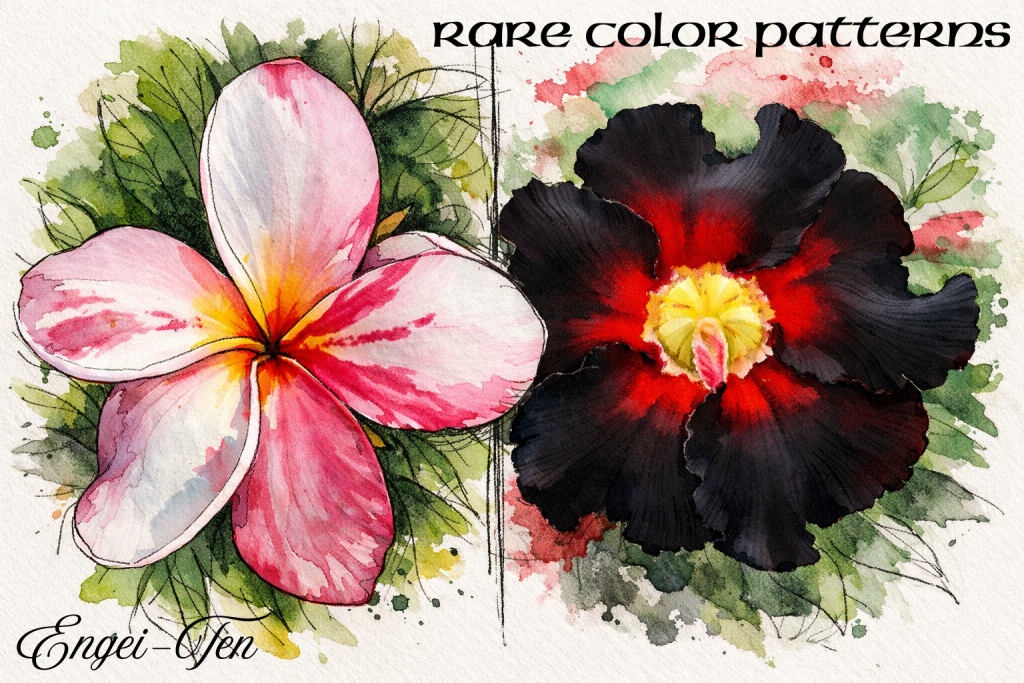
Stable picotee patterns—where petal edges display contrasting colors—command premium pricing due to breeding difficulty. Deep burgundy approaching black (cultivars like ‘Black Dragon’ and ‘Black Beauty’) represent significant breeding achievements, as this coloration requires multiple recessive genes expressing simultaneously. Pure white flowers with intensely colored throats create striking visual impact and breed relatively true from established lines.
Double and Triple Petal Varieties
Petal multiplication represents complex genetic traits. Reliable double-petal genetics (12-15 petals) from established cultivars like ‘Purple Jang’ or ‘Double Pink’ offer reasonable stability. Triple-petal genetics (18+ petals) remain cutting-edge, with stability varying significantly between suppliers. Expect 60-80% expression rates even from premium triple-petal seed.
Compact and Bonsai-Suitable Genetics
Dwarf mutations producing mature plants under 12 inches tall command significant collector interest. Cultivars like ‘Dwarf Pink’ and various compact Thai developments offer bonsai potential while maintaining full-size flowers—a remarkable aesthetic achievement requiring years of selective breeding to stabilize.
Import Considerations
Legal compliance and plant health protocols protect both your investment and broader horticultural communities.
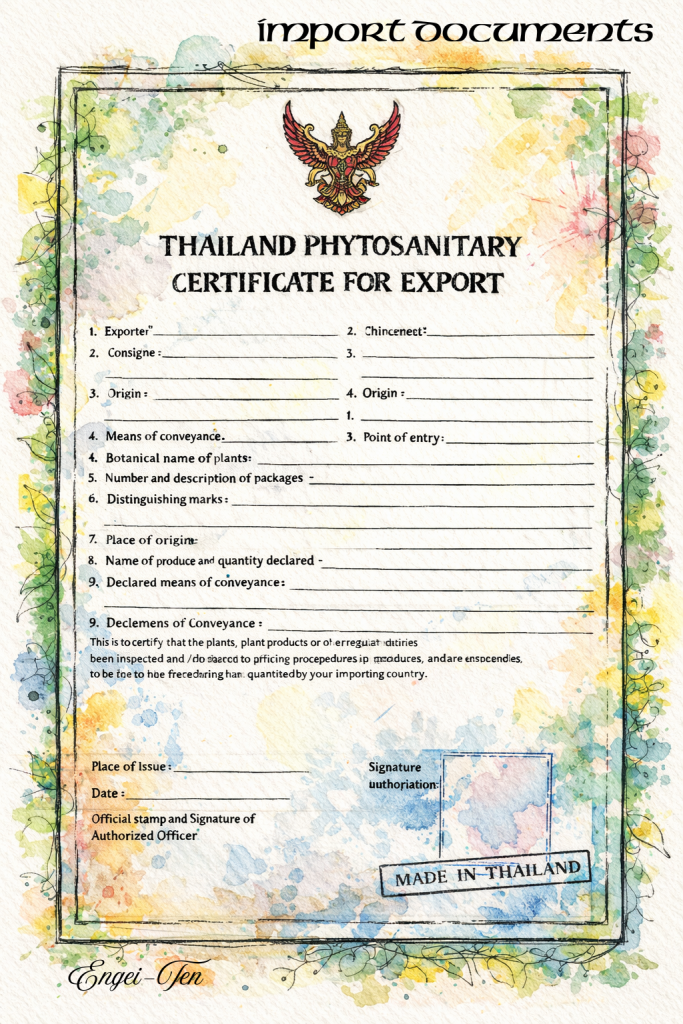
Phytosanitary Certificates
International seed shipments legally require phytosanitary certificates issued by the exporting country’s agricultural authority. These documents verify pest and disease-free status. Reputable suppliers handle this documentation as standard practice; absence suggests either unlicensed operation or willingness to circumvent regulations.
Customs Regulations
United States regulations permit Adenium seed import without USDA permits, though packages may undergo agricultural inspection. Accurate customs declarations prevent shipment seizure. Some countries restrict Adenium imports entirely—verify your jurisdiction’s regulations before ordering.
Quarantine Protocols
Even legal imports warrant quarantine practices. Isolate new seed from existing collections until germination confirms absence of seed-borne pathogens. Surface sterilization using dilute hydrogen peroxide solution (3% solution for 10-15 minutes) before sowing provides additional protection without significantly impacting viability.
Premium seed sourcing requires investment in time, research, and capital. However, superior genetics compound returns across the plant’s entire lifecycle. The foundation you establish through careful seed selection determines whether you’re cultivating standard specimens or genuinely exceptional plants worthy of serious collections.